✨ History & Origins
-
Amazonite: The Stone of Harmony, Confidence, and Positive Communication
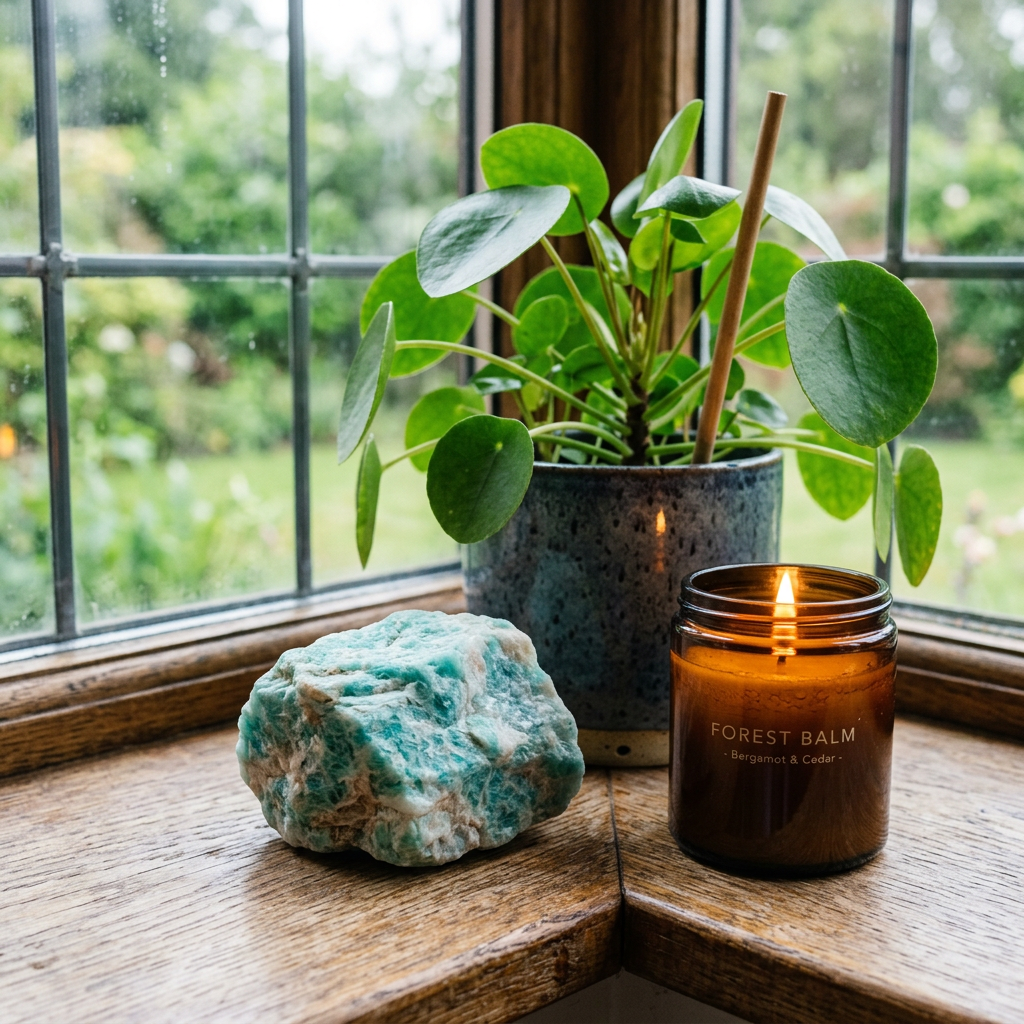
Amazonite is a striking blue-green gemstone known for its serene beauty and symbolic meanings, often associated with harmony, courage, and emotional balance. Valued since ancient times, it is frequently used in jewelry, meditation, and as a personal reminder of confidence. Amazonite inspires individuals to communicate kindly and pursue personal growth.
-
Smoky Quartz: The Stone of Grounding, Strength, and Positive Transformation
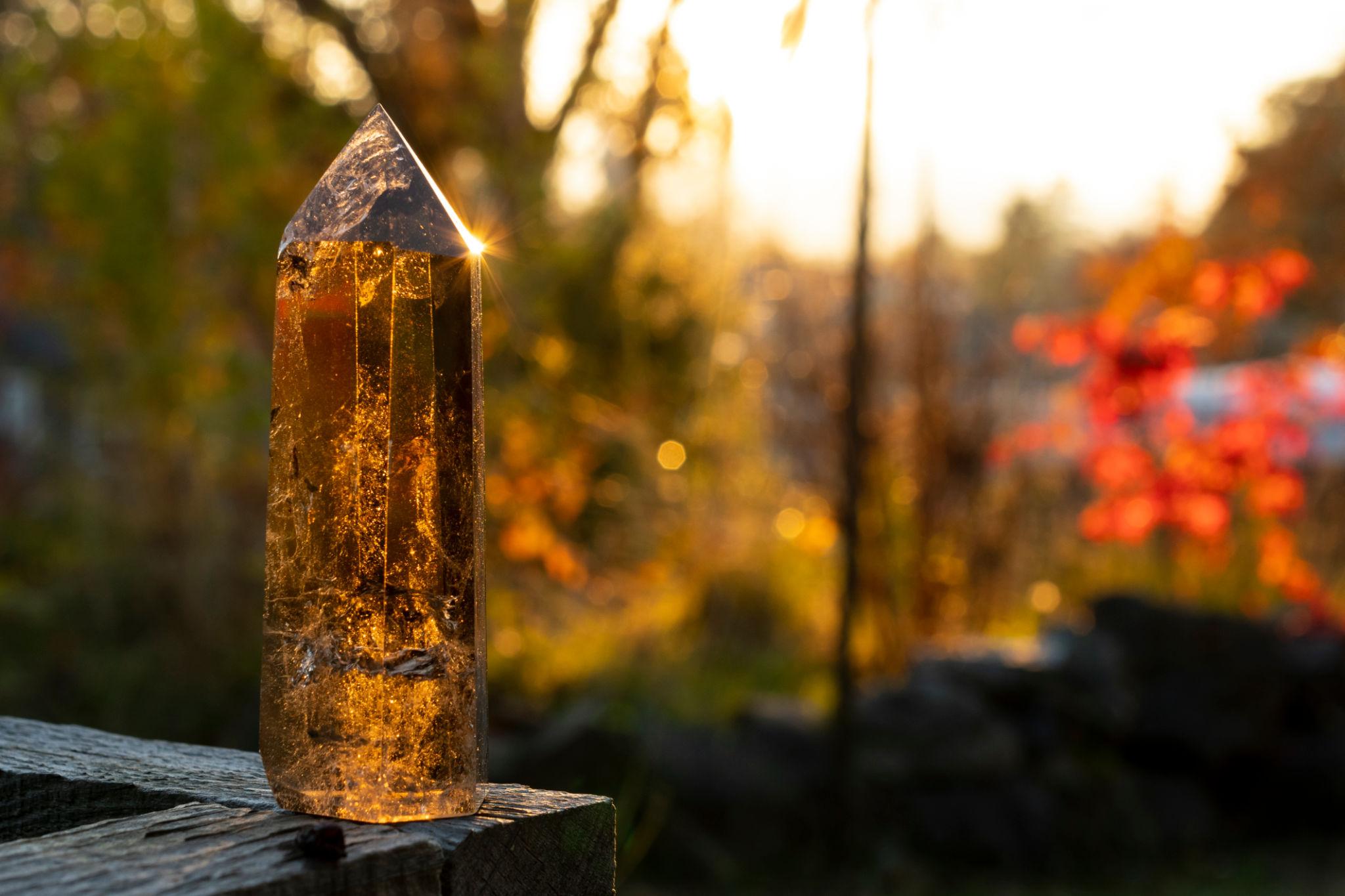
Smoky Quartz is a popular gemstone known for its earthy tones and associations with stability, resilience, and transformation. Valued for its beauty and symbolic meanings, it is used in jewelry and decor. Historically significant, especially in Scotland, it represents strength and grounding, inspiring many to pursue personal growth.
-
Selenite: The Crystal of Clarity, Light, and Positive Energy

Selenite, a translucent gypsum variety, is cherished for its calming and uplifting properties. Known as the “Stone of Clarity,” it promotes mental focus, emotional balance, and spiritual growth. Commonly used in meditation, home decor, and jewelry, selenite symbolizes positivity and personal growth, inspiring tranquility and hope.
-
Carnelian: The Ancient Stone of Courage, Vitality, and Creativity
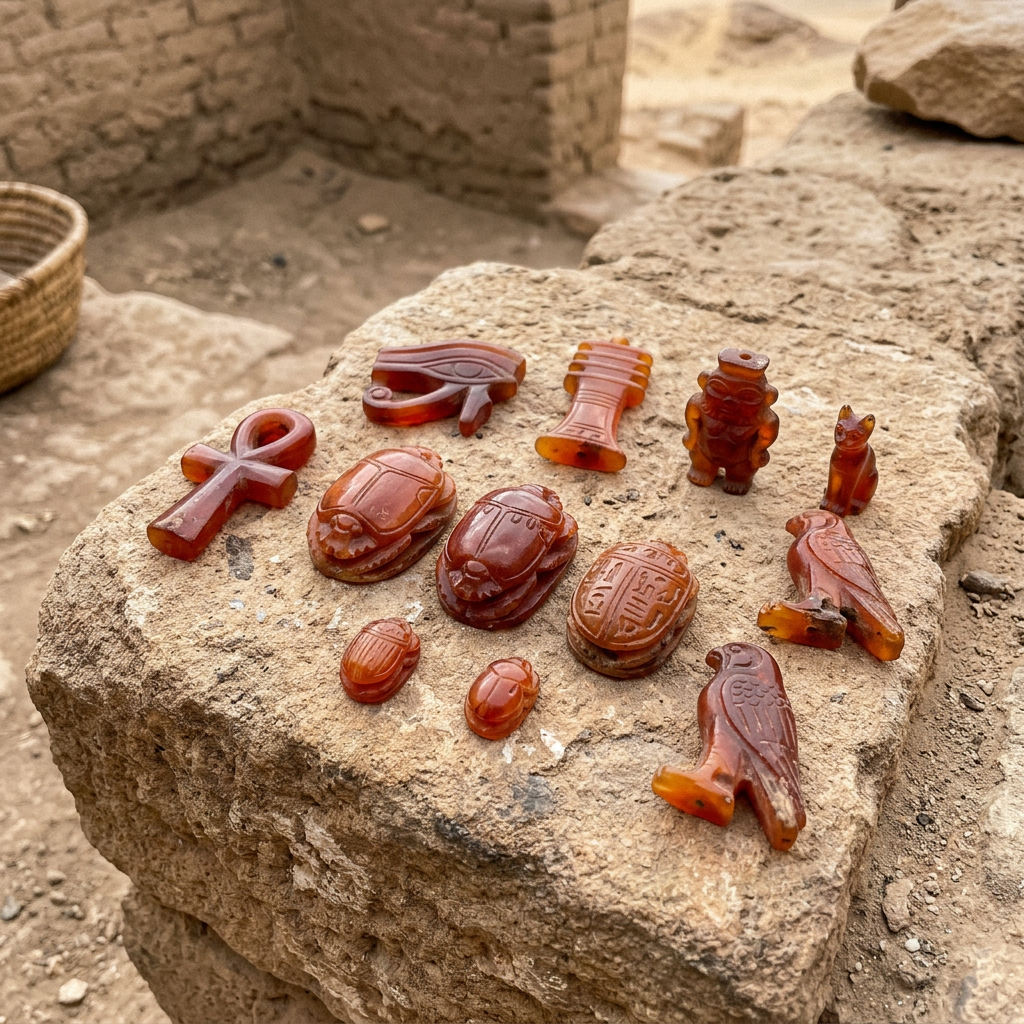
Carnelian is a historically significant gemstone known for its vibrant orange and red hues, symbolizing courage and personal power. Used in ancient Egypt for protective jewelry, it has also served in ancient Rome and Greece for seals and talismans. Today, it remains popular in jewelry for its beauty and associations with motivation and creativity.
-
Rhodochrosite: The Stone of Love, Compassion, and Emotional Healing
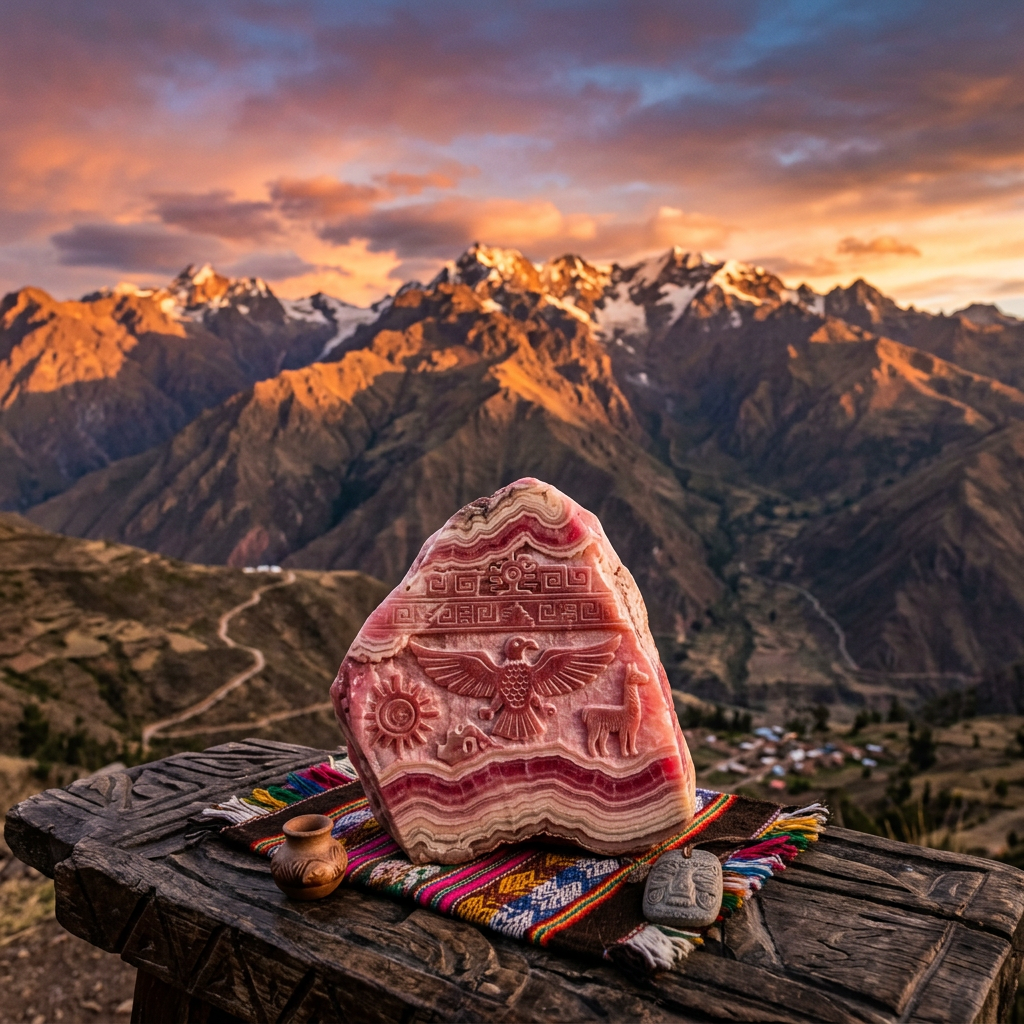
Rhodochrosite, known as the “Stone of the Compassionate Heart,” is a cherished gemstone featuring vibrant pink and red bands. Revered since ancient times, particularly by the Incas, it symbolizes love and emotional healing. Today, it’s sought after for jewelry and collections, embodying beauty and rich cultural significance.
-
Sakura Agate: The Stone of Growth, Blossoming, and New Beginnings

Sakura Agate is a unique gemstone known for its delicate patterns resembling cherry blossoms. Mined primarily in Madagascar, it symbolizes growth, renewal, and personal transformation. This aesthetically pleasing stone is popular for jewelry and decorative items, encouraging emotional healing and self-discovery. Each piece is distinct, representing nature’s artistry.
-
Cultural Significance of Jewelry: A Deep Dive into Global Practices
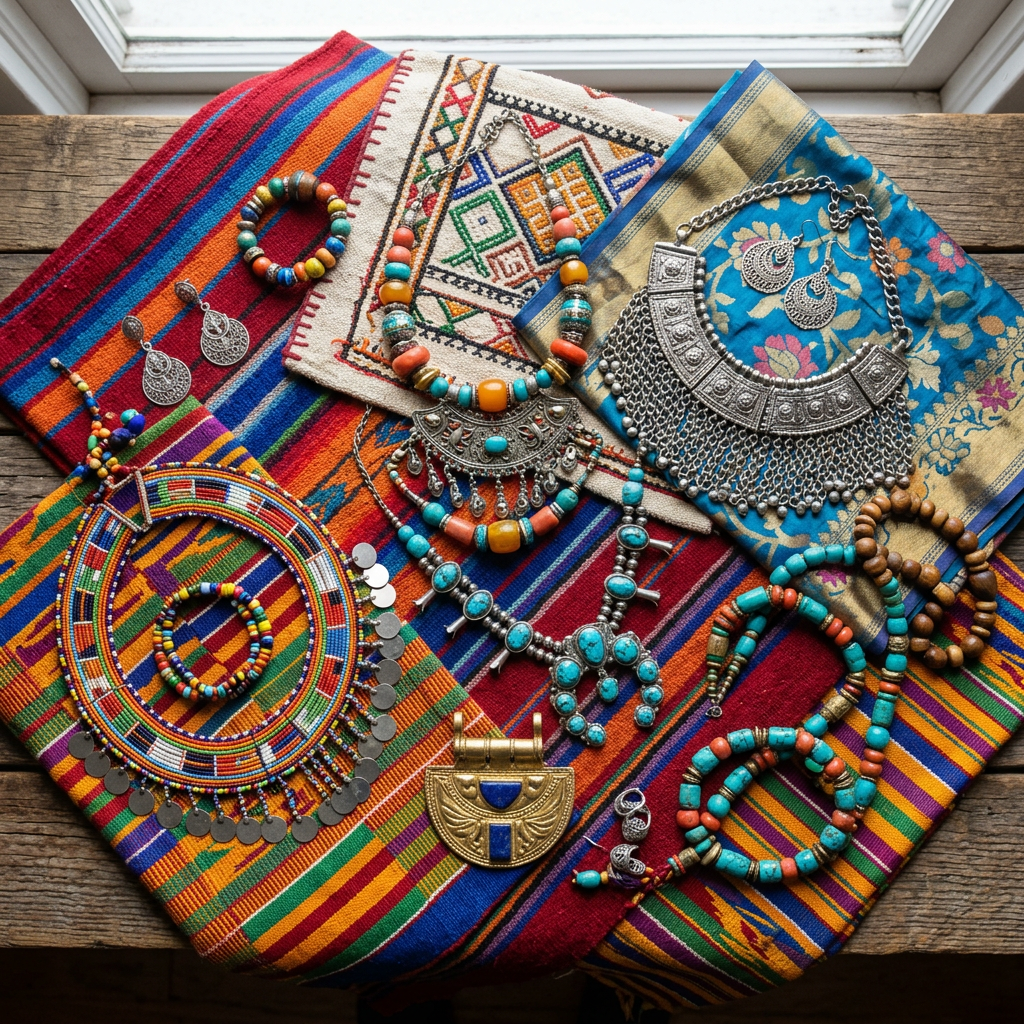
Jewelry has been a vital form of cultural expression for over 100,000 years, symbolizing identity, status, and spirituality across various cultures. From ancient Egyptian amulets to Indian bridal adornments, each piece tells unique stories. Today, it continues to commemorate traditions, mark milestones, and connect individuals with their heritage.
-
The Healing Energy of Gemstones: Understanding Their Benefits for Mind and Body

Gemstones have captivated humanity for centuries due to their beauty and symbolic significance. While not scientifically proven as healing agents, they are used in mindfulness, meditation, and personal growth practices. Many individuals choose gemstones that resonate with their intentions, creating emotional comfort and enhancing self-reflection, thereby celebrating personal journeys.
-
The Ultimate Guide to Choosing the Perfect Birthstone: Meanings, Traditions, and Tips
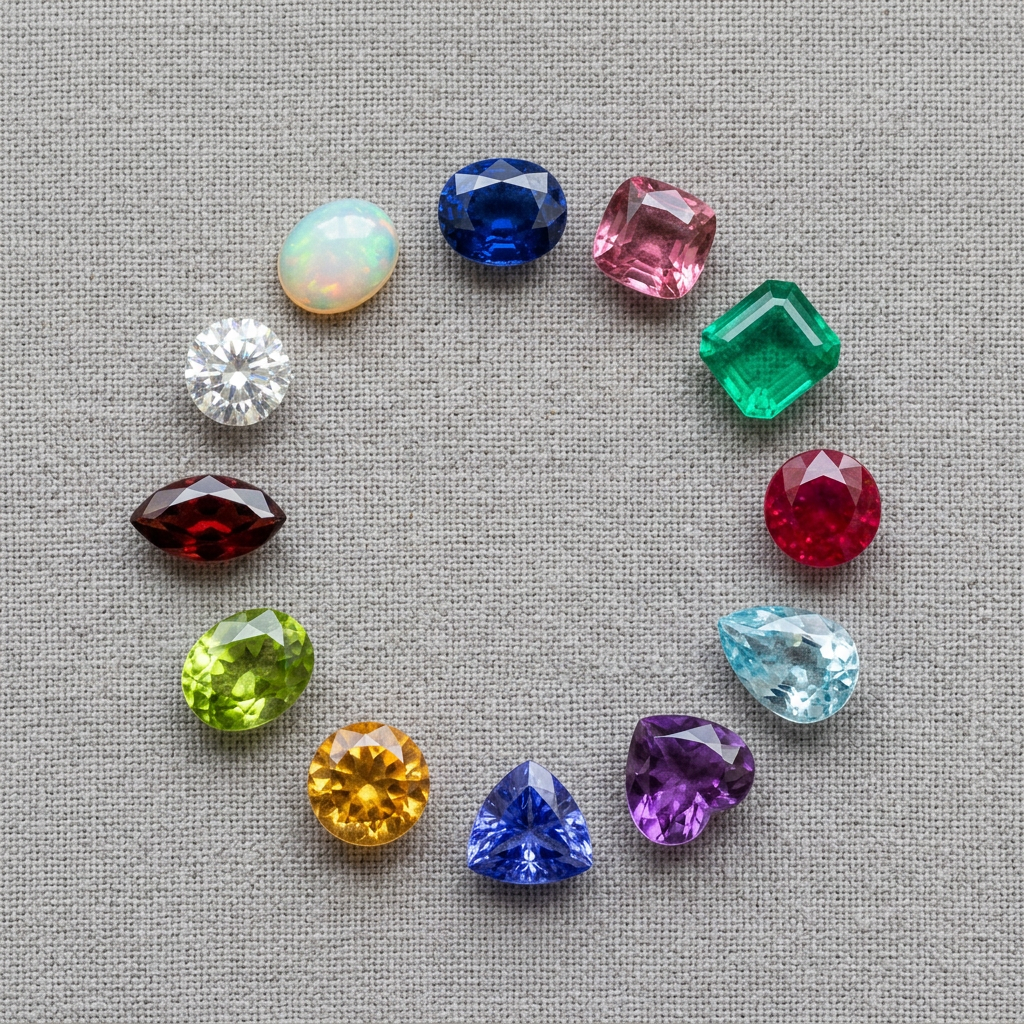
Birthstones are gemstones linked to specific months, symbolizing individual qualities and cultural significance. Used for centuries, they hold personal meaning and are cherished as gifts. This guide discusses the history, selection tips based on meanings or personal preferences, and practical advice for gifting, highlighting their timeless value and cultural relevance.
-
Apatite

Apatite is a blue-green phosphate mineral, essential for phosphorus in fertilizers and famed as a collector’s gemstone. With a hardness of 5 and a vitreous luster, its vivid colors and crystal forms captivate enthusiasts. Varieties include fluorapatite and hydroxylapatite, crucial for both geological and biological applications.
-
Sunstone

Sunstone, a feldspar gem, exhibits a glittery sheen called aventurescence due to copper or hematite inclusions. Ranging from orange to golden hues, it is valued in jewelry and has a hardness of 6–6.5. Major sources include Oregon, India, and Norway, with cultural significance as a symbol of vitality and energy.
-
Blue Lace Agate

Blue Lace Agate is a beautiful, banded chalcedony quartz with soft blue and white layers, valued for its calming properties and effective communication. Originating primarily from Namibia, it features a vitreous luster and is considered rare in larger sizes. This stone symbolizes serenity and emotional balance, used in jewelry and as a healing crystal.