✨ History & Origins
-
Malachite

Malachite is a green copper carbonate mineral prized for both its decorative use and as a copper ore. Known since ancient times, it displays unique banded patterns and forms near oxidized copper deposits. Historically significant for art and ornamentation, it remains popular today despite its toxic properties, requiring careful handling.
-
Aquamarine
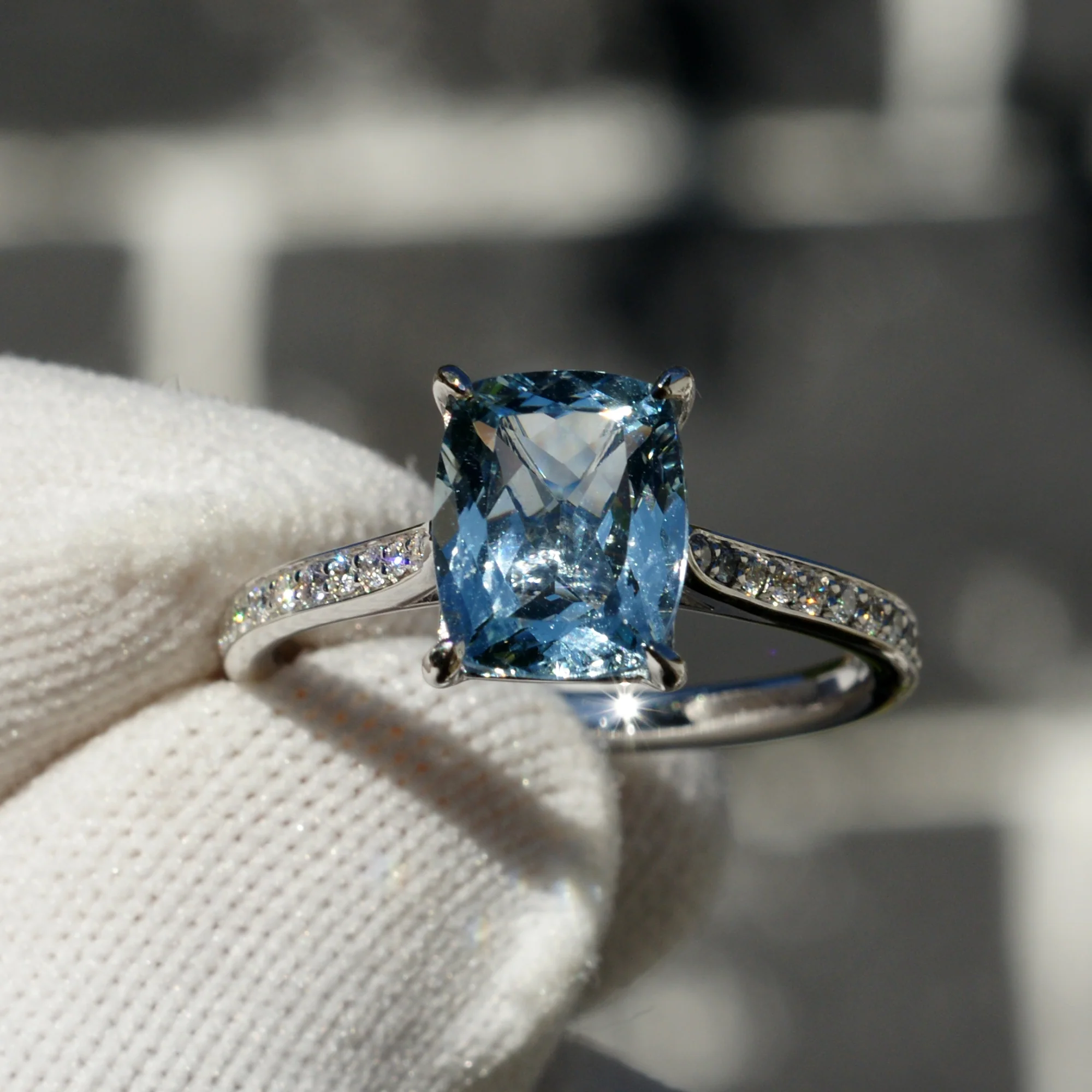
Aquamarine is a precious blue to blue-green gemstone from the beryl mineral family, named for its ocean-like color. Prized for clarity and brilliance, it is the March birthstone. Predominantly sourced from Brazil, aquamarine is used in various jewelry forms and symbolizes courage, tranquility, and clarity through its calming hues.
-
Tiger Eye
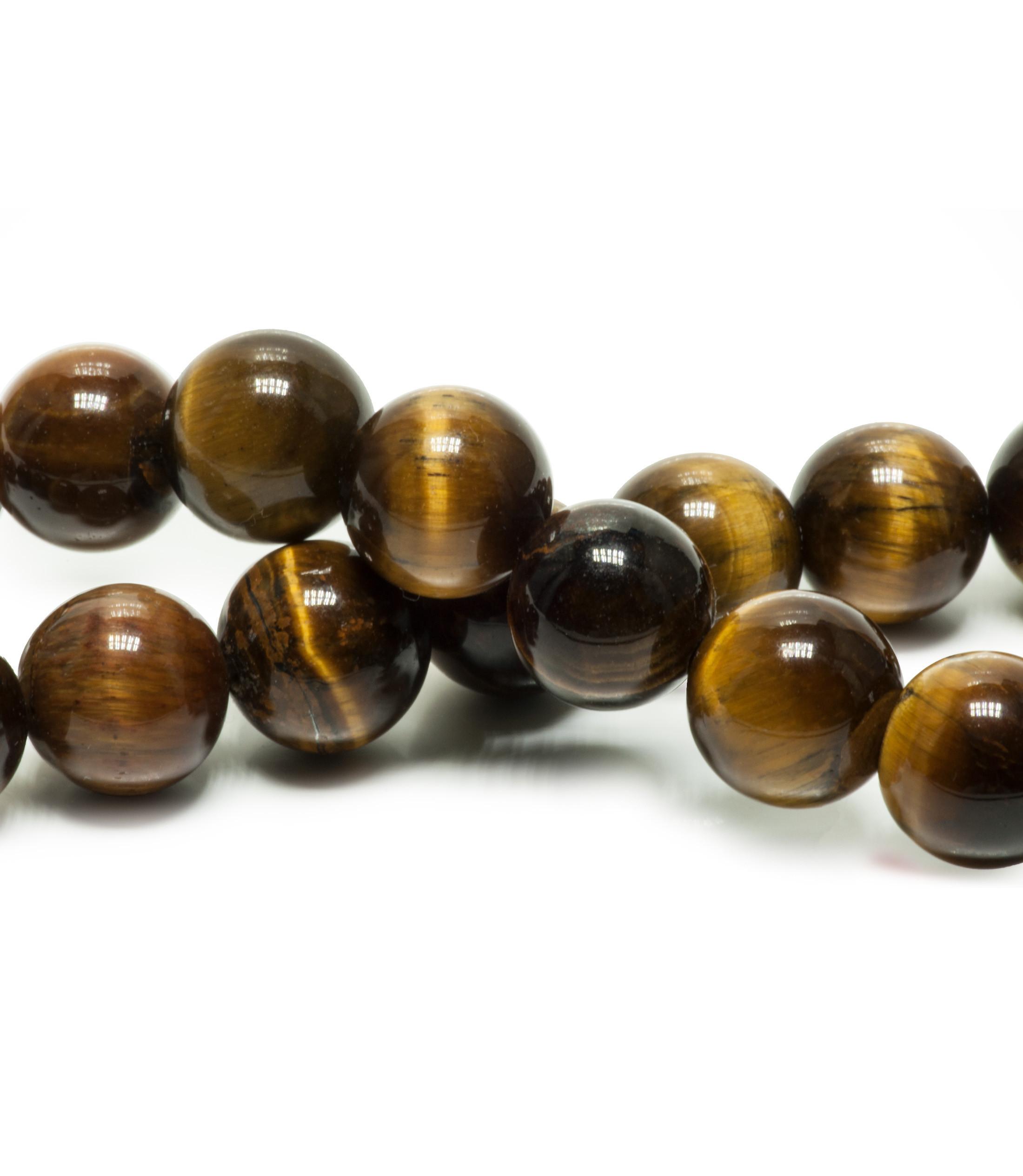
Tiger Eye is a golden-brown quartz known for its silky luster and chatoyant effect, resembling a cat’s eye. Formed from crocidolite replaced by silica, it is valued in jewelry for its dynamic appearance. Key sources include South Africa and Brazil. It requires careful maintenance to preserve its beauty and durability.
-
Black Onyx

Black onyx, a microcrystalline quartz variety, is appreciated for its smooth, deep black color and is commonly used in jewelry and decorative art. Formed in volcanic rock cavities, natural specimens are rare and often treated for color enhancement. Historically significant, it symbolizes protection and strength, favored in various cultures and modern designs.
-
Rose quartz

Rose quartz, a pink variety of quartz, is valued for its beauty and associations with love and healing. Found mainly in Brazil and Madagascar, it has a hardness of 7. Used since ancient times for jewelry and rituals, it symbolizes unconditional love and is popular in crystal therapy. Proper care preserves its delicate color.
-
Amethyst

Amethyst, a violet variety of quartz, is valued for its rich color and clarity, once rivaling ruby and sapphire. Major sources include Brazil and Uruguay. Its formation involves silica-rich fluids in geodes, and its color stems from iron and irradiation. Symbolically, it represents calm and clarity of mind, being a popular gemstone today.
-
Moonstone
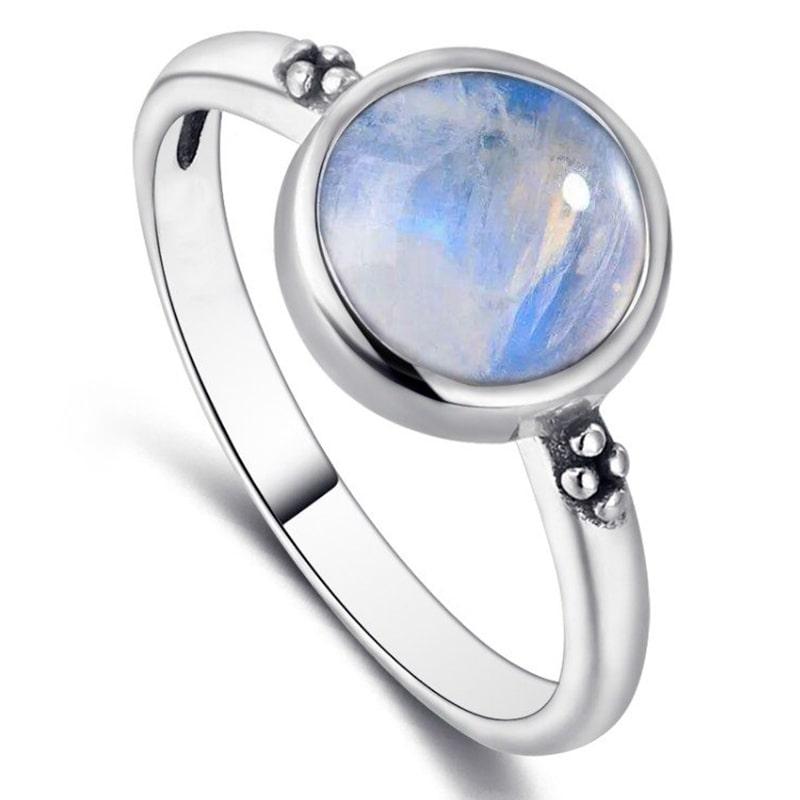
Moonstone, a feldspar gemstone, is renowned for its adularescence, creating a shimmering glow under its surface. Popular in jewelry for centuries, it symbolizes intuition and emotional balance. Varieties include classic blue-sheen and rainbow moonstone. Care requires protection from impacts and temperature changes, making it ideal for certain jewelry types.
-
Labradorite
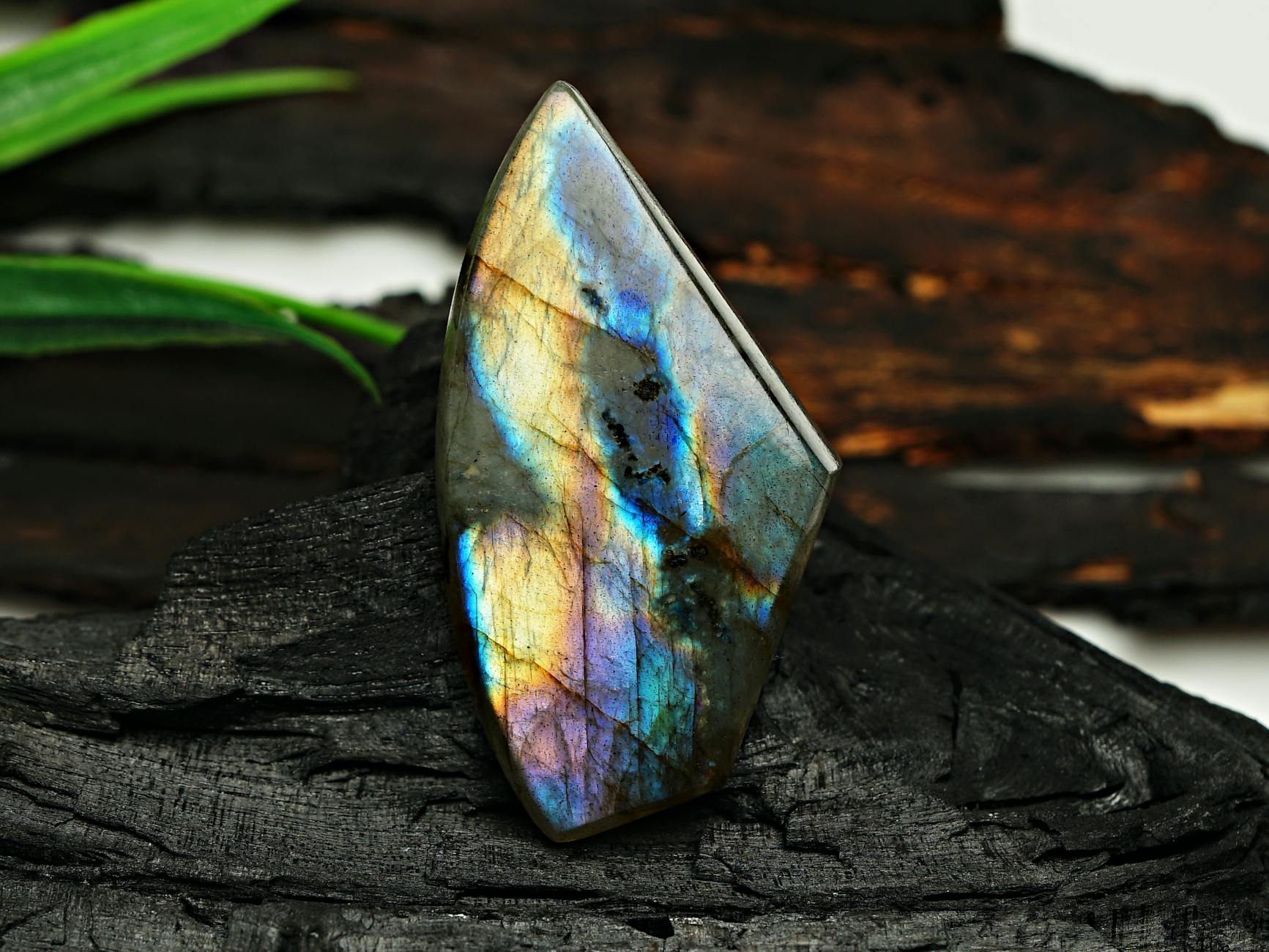
Labradorite is a prized iridescent plagioclase feldspar known for its unique optical effect, labradorescence, which displays vibrant color shifts. Discovered in the late 18th century in Canada, it is valued for jewelry and decor. Found in various global locations, its moderate hardness necessitates careful handling and maintenance.
-
Larimar
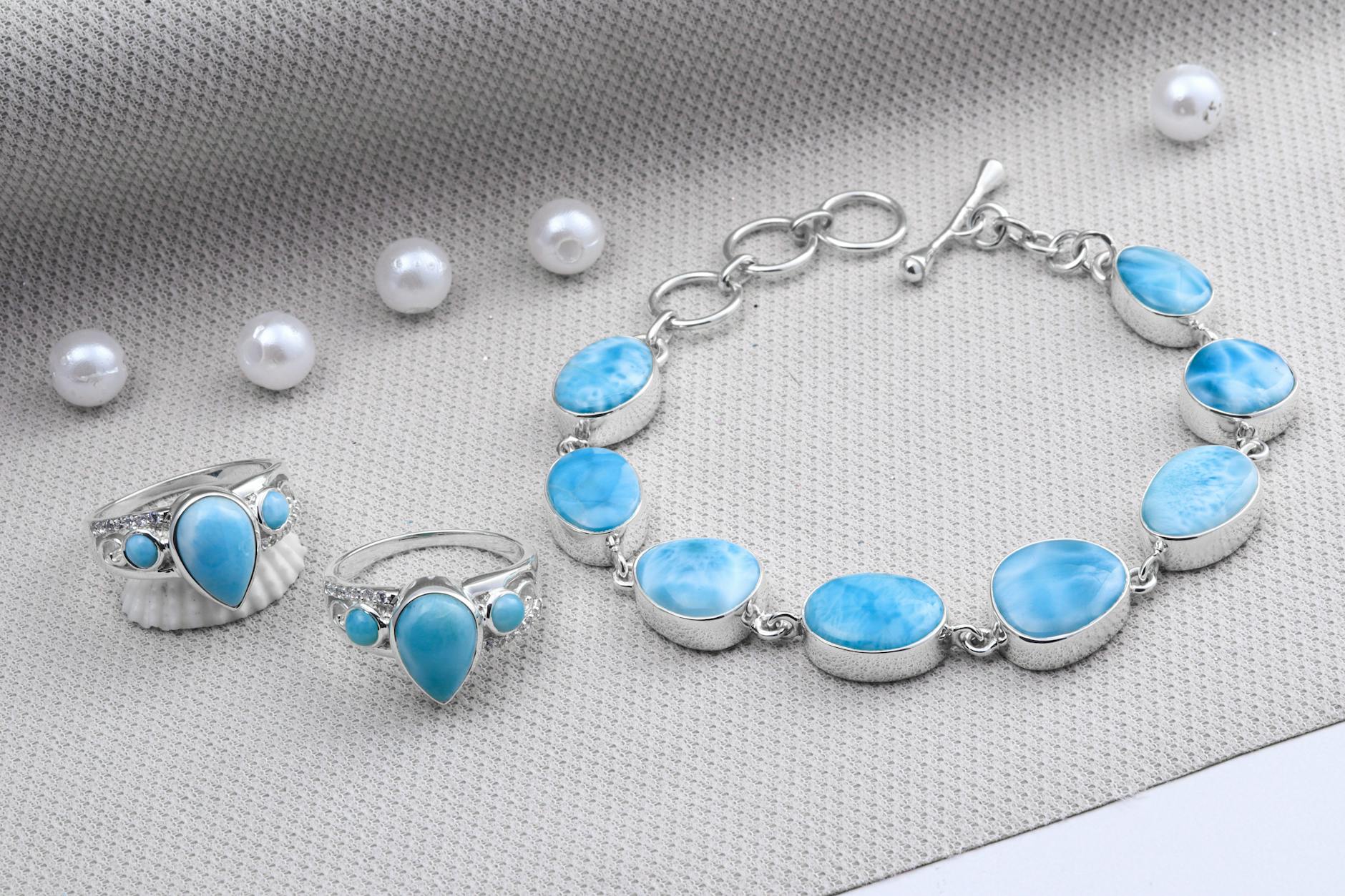
Larimar, a unique blue pectolite mineral found only in the Dominican Republic, is celebrated for its stunning color reminiscent of Caribbean waters. Discovered in 1974, its use in jewelry symbolizes national pride and supports local artisans. Larimar is recognized for its beauty and geological significance, enhancing its cultural value.
-
The Healing Properties of Larimar: How This Gemstone Can Enhance Your Well-being

Larimar, a rare Caribbean gemstone known for its ocean-like blue and white hues, symbolizes peace and emotional balance. Originating from the Dominican Republic, it is popular in jewelry and holistic practices for its calming energy. Used in meditation and self-care rituals, Larimar inspires tranquility and emotional renewal.
-
Larimar: The Ocean Stone of the Caribbean — Healing, Culture, and Meaning
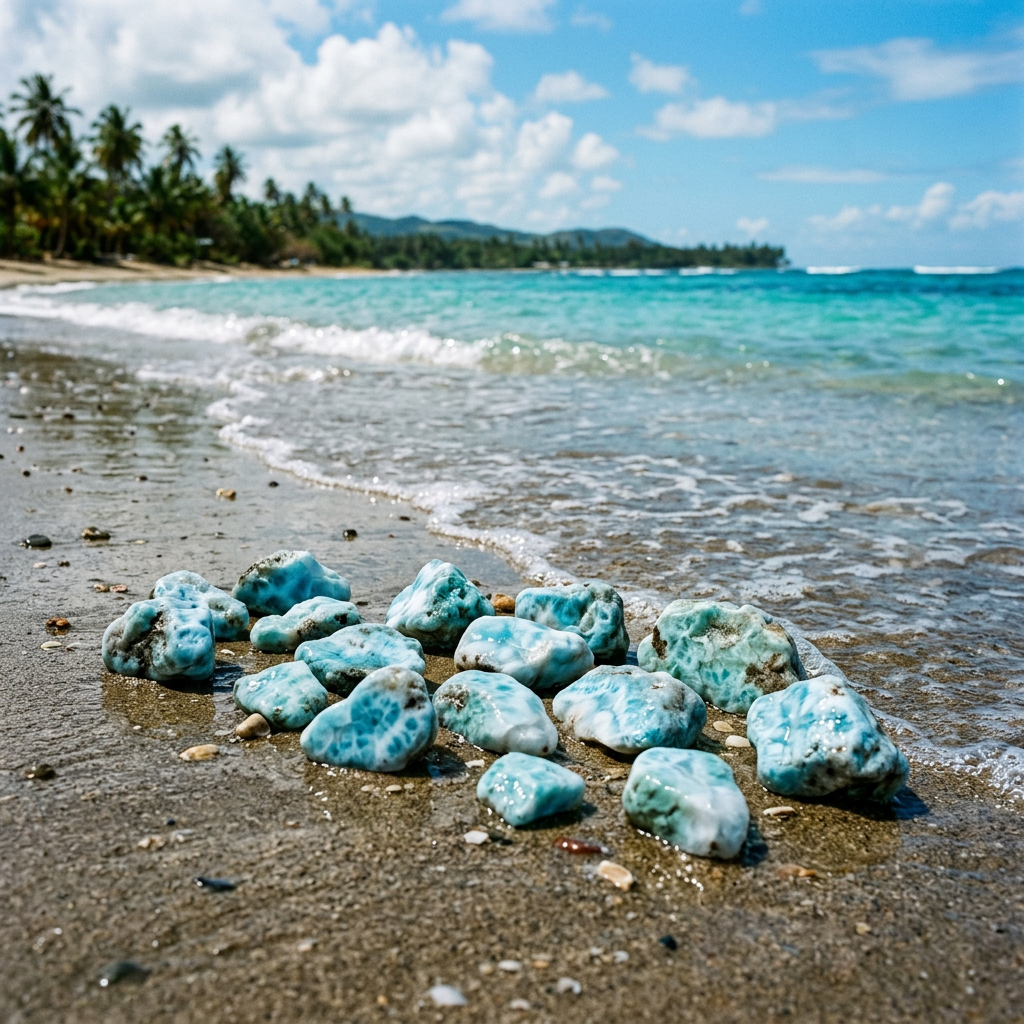
Larimar, a rare gemstone found only in the Dominican Republic, embodies the Caribbean’s beauty with its soothing blue hues. Officially discovered in 1974, it symbolizes local cultural pride and is believed to possess healing properties. Valued for its uniqueness, Larimar also supports local artisans and represents emotional balance and connection.
-
The Quiet Power of Silver: Why This Metal Has Symbolized Purity, Protection, and Reflection Through Time

Silver is associated with the moon and symbolizes purity, protection, and emotional balance. Valued across cultures, it invites contemplation rather than attention. Historically, silver has been used to repel negativity and encourage self-awareness. In modern life, silver jewelry reflects minimalism and personal expression, supporting everyday moments with quiet strength.