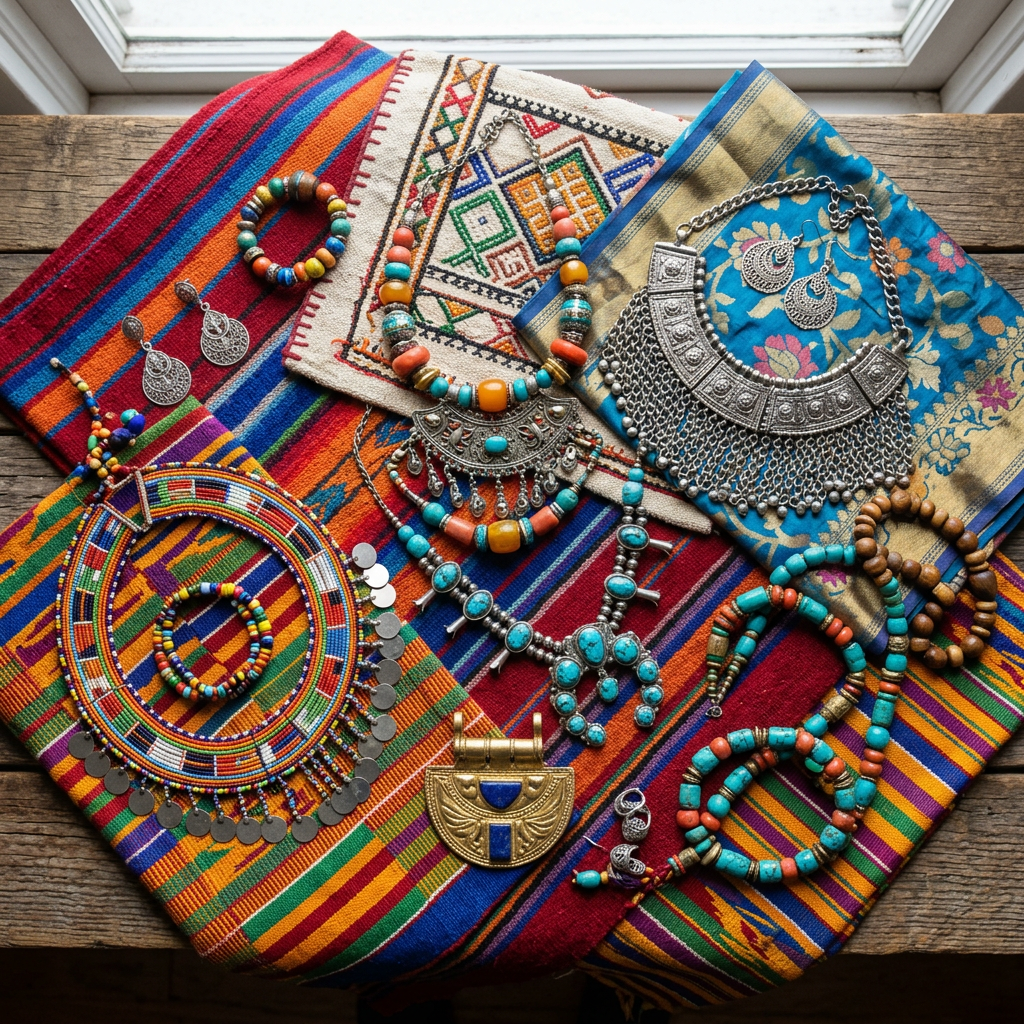
The Role of Jewelry in Cultural Rituals
Jewelry is often admired for its beauty, craftsmanship, and ability to enhance personal style. But to truly understand the cultural significance of jewelry, we must look beyond fashion alone. Yet throughout human history, jewelry has represented much more than fashion. Across continents and cultures, jewelry has served as a symbol of identity, status, spirituality, protection, love, and tradition.
From ancient Egyptian amulets and Native American turquoise jewelry to Indian bridal adornments and Celtic heirlooms, jewelry tells stories that connect generations and preserve cultural heritage. Understanding the cultural significance of jewelry reveals why these treasured pieces remain so meaningful today.
Jewelry: One of Humanity’s Oldest Forms of Expression
Archaeological evidence suggests that humans have worn jewelry for over 100,000 years. Early adornments were crafted from shells, bones, stones, animal teeth, and natural fibers.
These early pieces often served important purposes beyond decoration:
- Signifying social status
- Identifying tribal membership
- Offering spiritual protection
- Celebrating life events
- Honoring ancestors
- Demonstrating wealth and power
As civilizations developed, jewelry became increasingly sophisticated, incorporating precious metals, gemstones, and intricate designs.
Ancient Egypt: Jewelry as Protection and Power
The Ancient Egyptians were among history’s most accomplished jewelry makers. Gold was considered the flesh of the gods, and gemstones carried symbolic meaning.
Common Egyptian jewelry included:
- Scarab amulets
- Gold collars
- Gemstone rings
- Protective talismans
Many pieces were buried with their owners because Egyptians believed jewelry would accompany them into the afterlife.
Popular symbols included:
- The Eye of Horus for protection
- The Ankh for life
- Scarabs for rebirth and transformation
Jewelry was not simply decorative—it was deeply connected to religion, spirituality, and personal destiny.
India: Jewelry as Tradition, Identity, and Celebration
Few cultures place as much importance on jewelry as India.
For thousands of years, jewelry has been an essential part of Indian culture, symbolizing prosperity, family heritage, and spiritual beliefs.
Traditional Indian jewelry includes:
- Gold necklaces
- Bangles
- Nose rings
- Anklets
- Bridal sets
- Gemstone adornments
Indian weddings are particularly known for elaborate jewelry traditions. Bridal jewelry often represents blessings, prosperity, and marital commitment.
Many families pass jewelry down through generations, transforming these pieces into cherished heirlooms that preserve family history.
Native American Jewelry: Connection to Nature and Heritage
Jewelry created by Native American tribes often reflects deep connections to nature, spirituality, and cultural identity.
Materials commonly used include:
- Turquoise
- Silver
- Coral
- Shells
- Jet
Turquoise has been especially significant among many Southwestern tribes, symbolizing protection, wisdom, healing, and connection to the earth and sky.
Handcrafted jewelry often incorporates symbols representing animals, natural elements, and tribal stories passed down through generations.
Today, Native American jewelry remains highly respected for both its artistry and cultural significance.
Chinese Traditions: Symbols of Luck and Prosperity
In Chinese culture, jewelry frequently symbolizes prosperity, longevity, protection, and good fortune.
One of the most treasured materials is jade.
For thousands of years, jade has been associated with:
- Purity
- Harmony
- Wisdom
- Protection
- Prosperity
Jade jewelry is often given as a gift to symbolize blessings and good luck.
Traditional Chinese jewelry may also feature dragons, phoenixes, coins, and other symbols believed to attract positive energy and success.
Celtic Jewelry: Heritage and Eternal Connection
Celtic jewelry reflects the traditions of Ireland, Scotland, and other Celtic regions.
Popular Celtic symbols include:
- Celtic knots
- Claddagh rings
- Trinity knots
- Spirals
These designs often represent:
- Eternal love
- Friendship
- Loyalty
- Spiritual growth
- Interconnectedness
The Claddagh ring, featuring two hands holding a heart topped with a crown, remains one of the most recognizable symbols of love, friendship, and loyalty.
Today, Celtic jewelry continues to celebrate heritage and family connections.
African Jewelry Traditions
Throughout Africa, jewelry has long been used to communicate social status, age, marital status, and community identity.
Materials vary by region and include:
- Beads
- Metals
- Shells
- Ivory
- Natural stones
In many communities, specific colors and designs convey important cultural messages.
Maasai beadwork, for example, uses intricate patterns and vibrant colors to represent social roles, ceremonies, and life stages.
Jewelry remains a powerful form of cultural expression across the continent.
Jewelry as a Symbol of Faith and Spirituality
Many cultures use jewelry to express religious beliefs and spiritual devotion.
Examples include:
- Cross necklaces in Christianity
- Hamsa symbols in Middle Eastern traditions
- Buddhist prayer beads
- Jewish Star of David jewelry
- Protective amulets and talismans
These pieces often provide comfort, inspiration, and a sense of connection to faith and community.
Modern Jewelry and Cultural Identity
Today, jewelry continues to play an important role in cultural expression.
People wear jewelry to:
- Celebrate heritage
- Honor traditions
- Mark milestones
- Express beliefs
- Preserve family memories
- Share personal stories
Modern jewelry designers frequently draw inspiration from traditional cultural symbols while creating contemporary pieces that appeal to today’s wearers.
This blending of old and new helps keep cultural traditions alive while allowing individuals to express their unique identities.
The Universal Language of Jewelry
Despite differences in style, materials, and symbolism, one theme unites jewelry traditions around the world: the desire to express meaning.
Whether worn to celebrate love, honor ancestry, seek protection, or commemorate important life events, jewelry serves as a universal language that transcends borders and generations.
Every piece tells a story, preserving memories and values that connect us to our families, communities, and cultures.
Sources
- Smithsonian Institution Anthropology Collections
- The Metropolitan Museum of Art (Met Museum)
- British Museum studies on ancient jewelry
- National Museum of the American Indian
- UNESCO cultural heritage resources
- Encyclopaedia Britannica: History of Jewelry
- Gemological Institute of America (GIA)
- Historical and anthropological research on global jewelry traditions and cultural practices.
Discover Meaningful Jewelry at Griseline.com
At Griseline.com, we celebrate the rich history and symbolism of jewelry from around the world. From meaningful gemstone pieces and symbolic charms to handcrafted designs inspired by culture and tradition, our collection honors the timeless role jewelry plays in personal expression.
Explore jewelry that tells a story, celebrates your journey, and connects you to traditions both old and new. Visit Griseline.com today and discover pieces designed to inspire, commemorate, and delight.